
Lead Generation
Lead generation is the process of attracting and converting potential customers or leads into individuals who have expressed interest in a product, service, or brand. The goal is to build a pipeline of qualified prospects that can be nurtured and eventually converted into customers. Here are key components of lead generation:
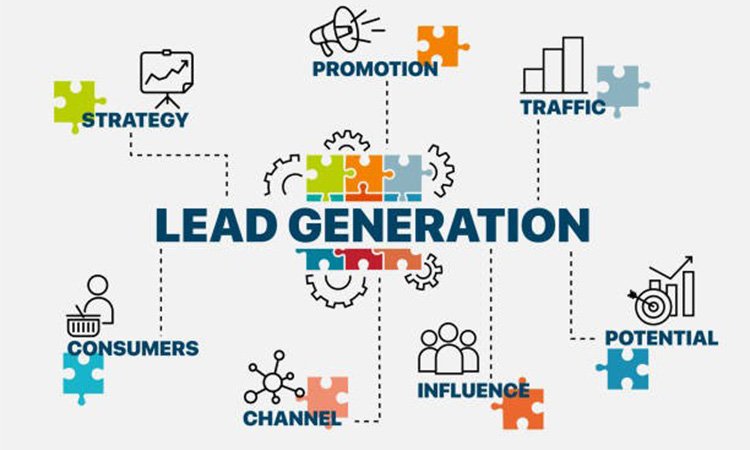

Identification of Target Audience :
Defining and understanding the characteristics of the ideal customer or target audience.

Content Marketing :
- Creating valuable and relevant content that attracts and engages the target audience.
- Content can include blog posts, ebooks, whitepapers, videos, infographics, and more.

Search Engine Optimization (SEO) :
- Optimizing online content to improve its visibility in search engine results.
- Enhancing website ranking for relevant keywords to attract organic traffic.

Social Media Marketing :
- Leveraging social media platforms to reach and engage with potential leads.
- Running targeted advertising campaigns and sharing content to build brand awareness.

Email Marketing :
- Using email campaigns to nurture leads by providing relevant information and offers.
- Segmenting email lists based on user behavior and preferences.

Inbound Marketing :
- Creating a strategy where customers find a business through channels like blogs, search engines, and social media, rather than the business reaching out to prospects.

Outbound Marketing :
- Proactively reaching out to potential leads through channels like cold calling, direct mail, or targeted advertising.

Landing Pages and Forms :
- Designing effective landing pages that encourage visitors to take a specific action, such as filling out a form.
- Using forms to collect information from potential leads.

Lead Magnets :
- Offering valuable resources or incentives (lead magnets) in exchange for contact information.
- Examples include ebooks, webinars, free trials, or discounts.

Webinars and Events :
- Hosting online or offline events to showcase expertise, interact with the audience, and generate leads.
- Collecting participant information for follow-up.

Referral Programs :
Encouraging satisfied customers to refer others, expanding the reach through word-of-mouth marketing.

Chatbots and Live Chat :
- Implementing chatbots on websites to engage visitors and collect basic information.
- Providing live chat support for immediate interaction with potential leads.

Lead Scoring :
- Assigning scores to leads based on their interactions and engagement with the brand.
- Prioritizing high-quality leads for more focused nurturing efforts.

Analytics and Reporting :
- Monitoring and analyzing data to evaluate the effectiveness of lead generation strategies.
- Adjusting strategies based on performance metrics.

CRM (Customer Relationship Management) :
- Using CRM software to manage and track interactions with leads and customers.
- Storing and analyzing data to personalize communication and improve lead management.