
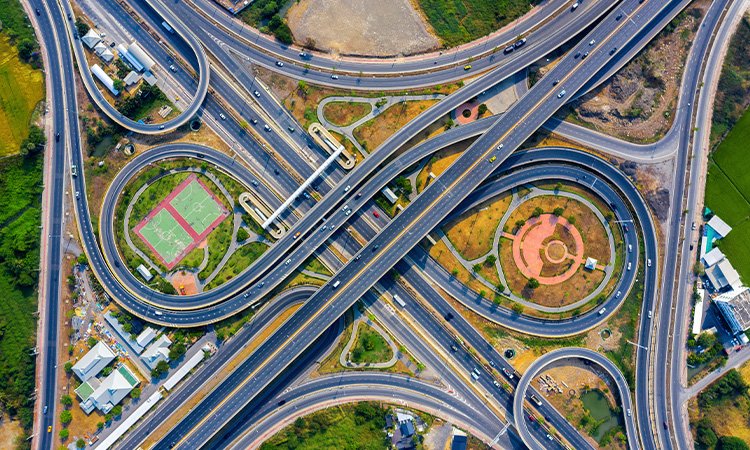
Infrastructure Development
Infrastructure development is a multifaceted process involving the planning, design, construction, and maintenance of physical and organizational structures that support economic, social, and environmental activities. Robust infrastructure is crucial for fostering economic growth, improving living standards, and enhancing overall quality of life. Here are key considerations and steps involved in infrastructure development:

Needs Assessment :
- Identify the infrastructure requirements based on current and future demographic, economic, and social trends.
- Conduct feasibility studies and cost-benefit analyses to determine the viability of proposed projects.

Planning and Design :
- Develop comprehensive plans for infrastructure projects, considering technical, economic, environmental, and social factors.
- Engage architects, engineers, urban planners, and other professionals in the design phase.
- Ensure that designs adhere to safety, accessibility, and environmental standards.

Regulatory Approvals :
- Obtain necessary permits and approvals from regulatory bodies and government agencies.
- Comply with environmental impact assessment (EIA) regulations and other relevant regulations.

Financing :
- Determine funding sources, which may include government budgets, public-private partnerships (PPPs), loans, grants, and international aid.
- Establish a financial model to ensure sustainability and long-term maintenance.

Construction :
- Award contracts through transparent and competitive bidding processes.
- Implement construction projects according to approved designs and timelines.
- Monitor construction quality, safety, and adherence to specifications.

Project Management :
- Appoint project managers to oversee implementation and coordinate various stakeholders.
- Monitor progress, manage risks, and address any issues that may arise during the construction phase.

Technology Integration :
- Incorporate modern technologies for efficiency, sustainability, and smart infrastructure solutions.
- Integrate information technology for monitoring, maintenance, and data-driven decision-making.

Maintenance and Operations :
- Develop maintenance plans to ensure the longevity and functionality of infrastructure.
- Establish protocols for regular inspections, repairs, and upgrades.
- Train personnel for efficient operations and emergency response.

Community Engagement :
- Involve local communities in the planning and decision-making processes.
- Communicate project details, benefits, and potential disruptions to gain community support.

Sustainability and Resilience :
- Incorporate sustainable and environmentally friendly practices in design and construction.
- Enhance resilience against natural disasters and climate change impacts.

Monitoring and Evaluation :
- Implement performance metrics to assess the success and impact of infrastructure projects.
- Use feedback mechanisms to continuously improve future projects.

Adaptation and Upgrades :
- Plan for adaptability and future upgrades to accommodate changing needs and technological advancements.